
You used to need a coach with a laptop and three free hours to break down game film. Now a camera does most of it before you've even left the parking lot.
Automated game analysis is exploding across youth and travel soccer for one reason: it turns raw game footage into something a parent, a player, or a coach can actually use, without anyone sitting through 80 minutes of video to find the good parts.
Here's how the main players stack up, and where each one actually fits.
Quick answer
If you want the short version:
- Trace — best for individual player development and recruiting. Films the whole game, automatically clips your player's touches, and builds a highlight reel without anyone operating a camera.
- Veo — best for whole-team tactical review. Full 180-degree wide shot, strong for coaches breaking down team shape and set pieces.
- Hudl — best for programs already using Hudl for scheduling, recruiting profiles, and film exchange between teams.
- Pixellot — best for facilities and leagues wanting fixed, permanent camera installs across multiple fields.
What "automated game analysis" actually means
Not long ago, "game analysis" meant someone with a clipboard, or a parent re-watching shaky sideline video looking for their kid's three good plays. Automated systems replace that person with software: the camera records the full game, then AI tags plays, tracks the ball, and in some cases follows individual players.
The differences between platforms come down to two questions:
Who is the analysis for — the team, or the player?
How much setup does it take — a permanent install, a tripod you carry to every game, or a phone in your pocket?
Trace: analysis built around your player
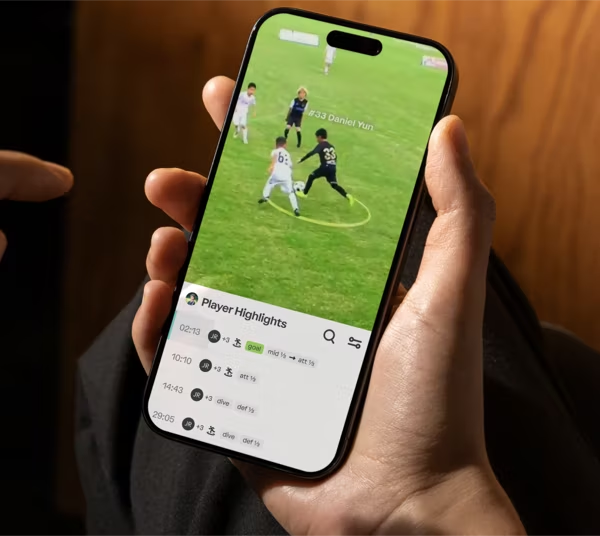
Trace takes a different angle than most of the category. Instead of producing one long team video, it tracks your specific player through the game and builds a highlight reel around them automatically.
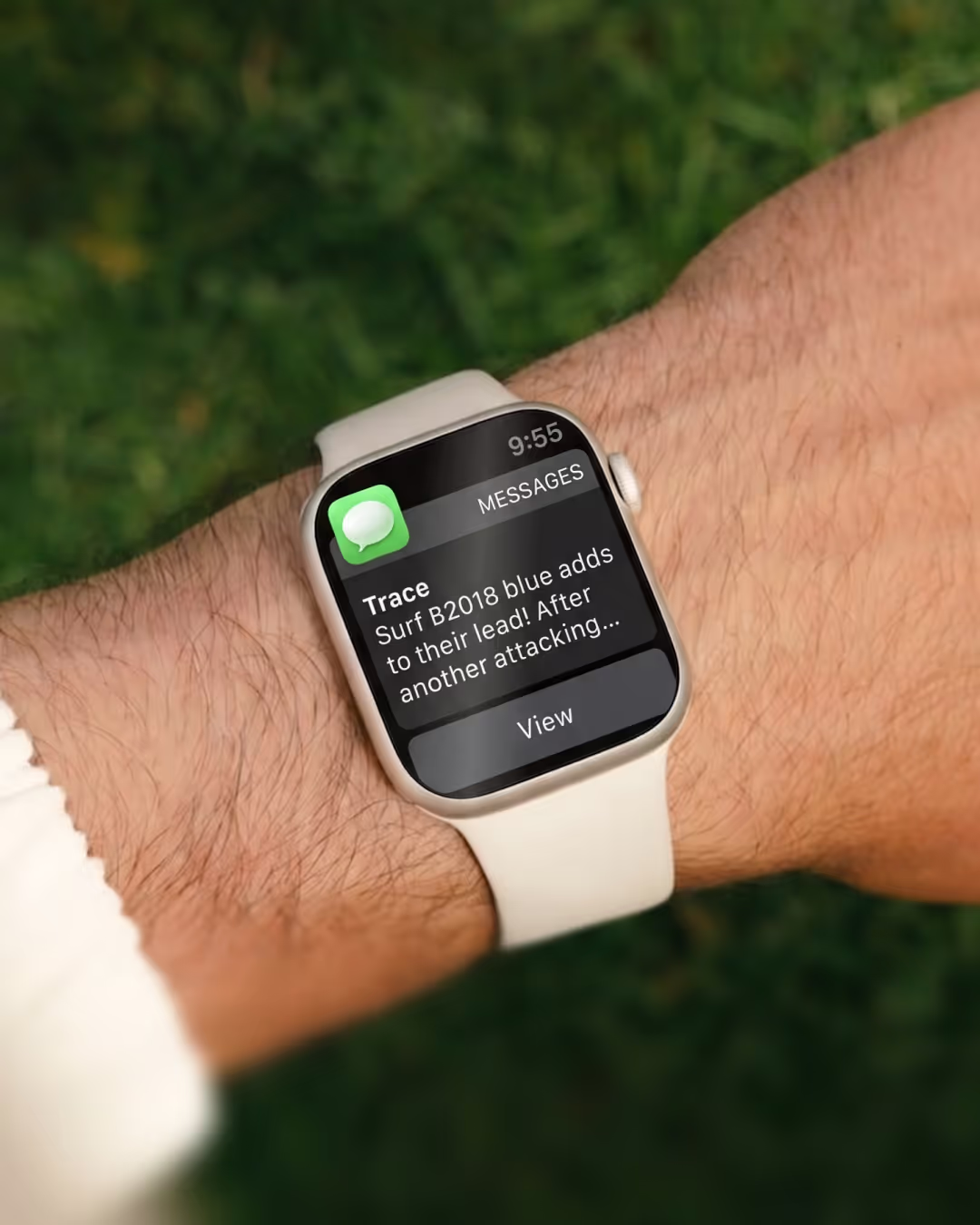
Set the tripod up on the sideline, hit record, and Trace's AI camera does the rest: it follows the play, identifies your kid's touches, and delivers clipped highlights to your phone within hours of the final whistle.
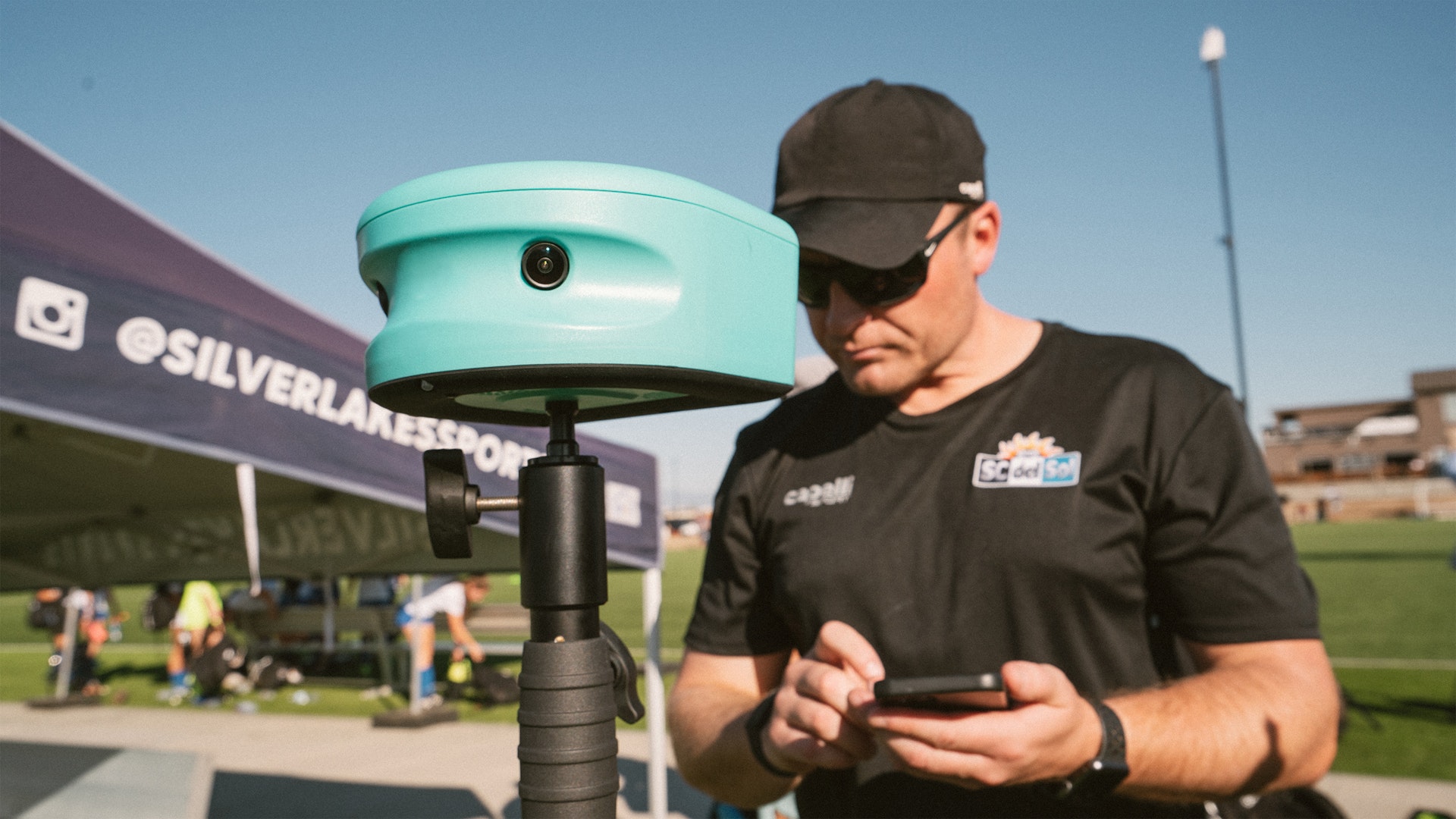
That matters for two groups more than any other feature on the market:
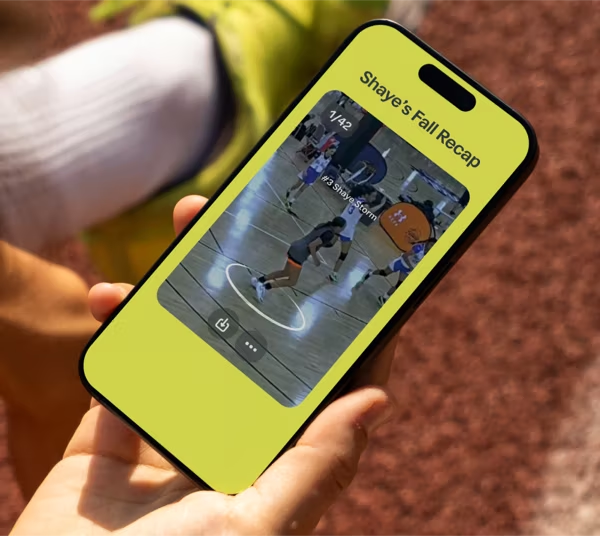
- Parents who want to see their player's game without scrubbing through a full match.
- Players building a recruiting reel, where a coach reviewing tape wants to see this specific athlete's touches, not the whole team's.
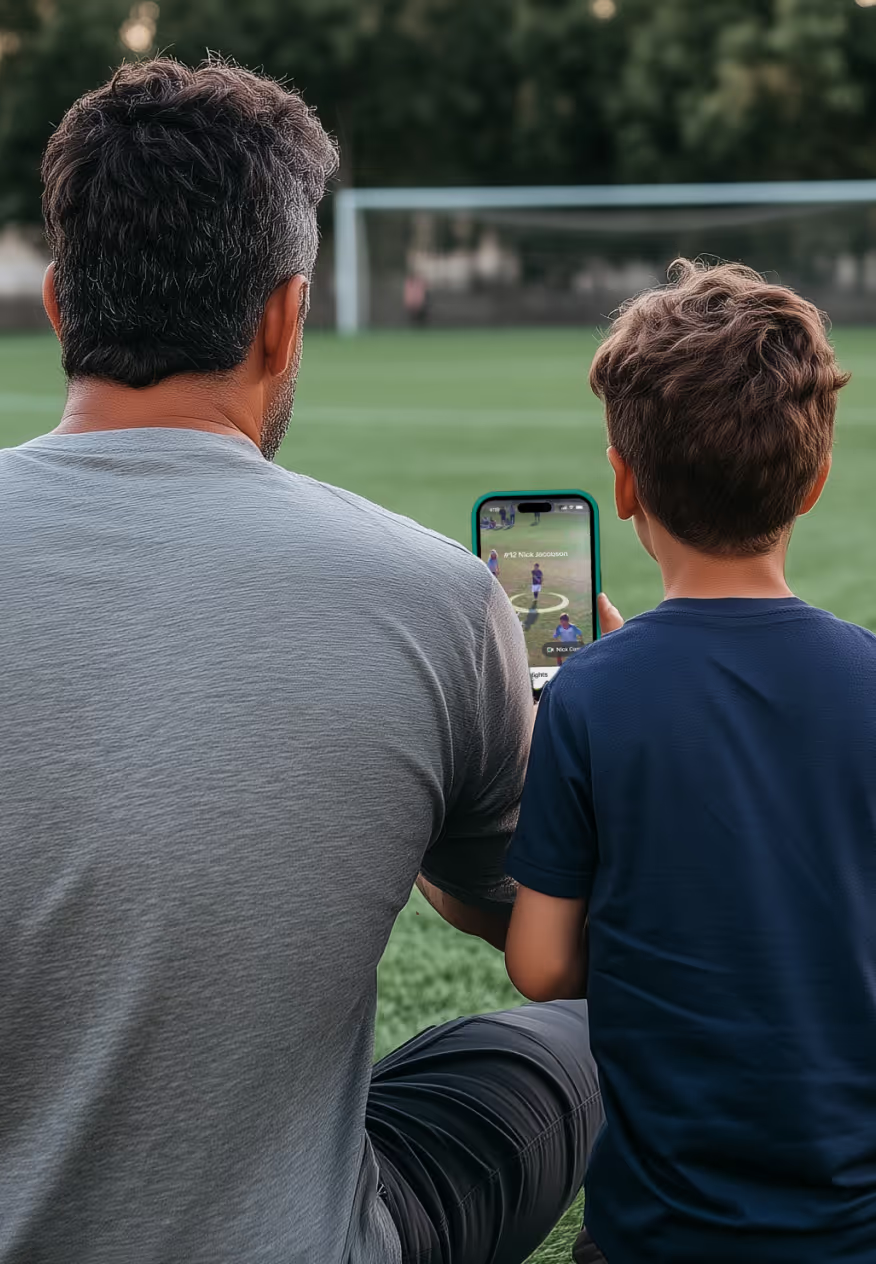
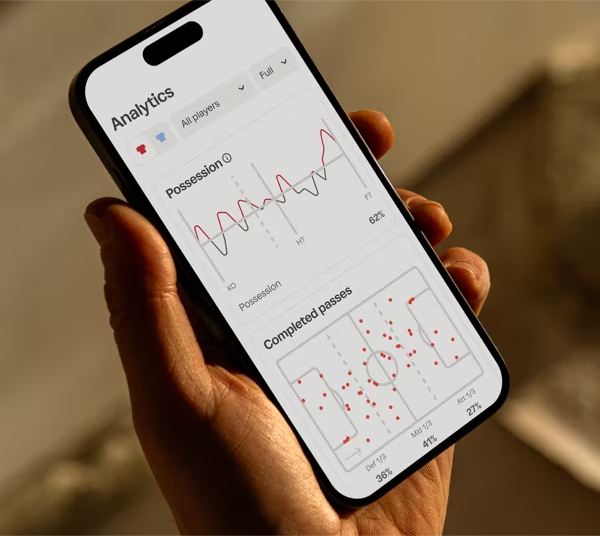
Trace's PlayerFocus Analytics goes a step further, breaking down completed passes by field third and as a completion percentage, so you get a read on decision-making, not just highlight-worthy moments.
Families can get the camera for free and subscribe to a player's highlights for $180 a year, which puts it well below the price and commitment level of team-wide systems.
Veo: the team-tactics camera
Veo is the name most often mentioned alongside Trace, and for good reason. It's a full-HD, 180-degree fixed camera that captures the entire field and automatically edits down to highlights.
Veo's strength is tactical: a coach can watch team shape, spacing, and transitions the way they'd study film for scouting. It's built around the whole team's footage rather than one player's.
The tradeoff is price and buy-in. Veo typically requires the full team or club to commit, and it costs more than a single-family subscription. If you're a club director outfitting every field, that math works. If you're one parent trying to get your kid's highlights for a recruiting reel, it's a heavier lift than you need.
Hudl: the recruiting and film-exchange standard
Hudl earned its place by being the platform programs already use to trade film, build recruiting profiles, and manage scheduling. Its automated analysis features have caught up over the past few years, but its real strength is the ecosystem around the video, not just the video itself.
If your club or high school program already runs on Hudl for other reasons, its game analysis tools are a natural extension. If you're starting from zero, it's worth weighing against options built purely for automated capture.
Pixellot: fixed installs for facilities
Pixellot's model is different from the other three: instead of a portable camera one team brings to games, it's typically a permanent installation mounted at a facility, covering every match played on that field automatically.
That's the right fit for a complex or league running dozens of games a week across multiple fields. It's the wrong fit for a single family or team looking for a simple, portable setup.
How to actually choose
Ask yourself one question first: is this for the team, or for the player?
If you're a parent trying to get your kid's highlights without becoming the team's unofficial cameraperson, or a player building a reel for college recruiters, Trace is built around exactly that. If you're a club director trying to standardize tactical review across every team, Veo or Pixellot make more sense at that scale.
Either way, the days of manually scrubbing through full-match video for three good clips are over. The camera does the finding now — you just have to pick the one built for what you're trying to find.
See it for yourself
Curious what your player's highlight reel looks like without you holding a phone for 80 minutes? Learn how Trace works and see a sample reel from a real game.


